Structural Removal Done Without Collateral Damage
Demolition in Missoula for properties requiring controlled structure removal, interior gutting, or selective teardown
Demolition work separates quickly into two categories: controlled removal that preserves surrounding structures and utility connections, or complete teardown where nothing remains. Jakoby Construction handles both approaches with attention to what stays intact rather than just what gets destroyed. Your project may involve removing one wall without disturbing adjacent rooms, gutting interiors down to studs while maintaining structural envelope, or clearing entire buildings from foundations up with site restoration afterward.
The service begins with utility disconnection verification to eliminate electrical, gas, water, and sewer hazards before physical work starts. Structural assessment identifies load-bearing elements that require temporary support during partial removal and determines demolition sequence that maintains stability throughout the process. Salvageable materials get separated when requested, debris gets sorted for disposal or recycling, and site cleanup removes all material down to specified grade or surface.
Arrange an on-site consultation to review project scope, access limitations, and disposal requirements for your demolition work.
How Demolition Addresses Different Project Needs
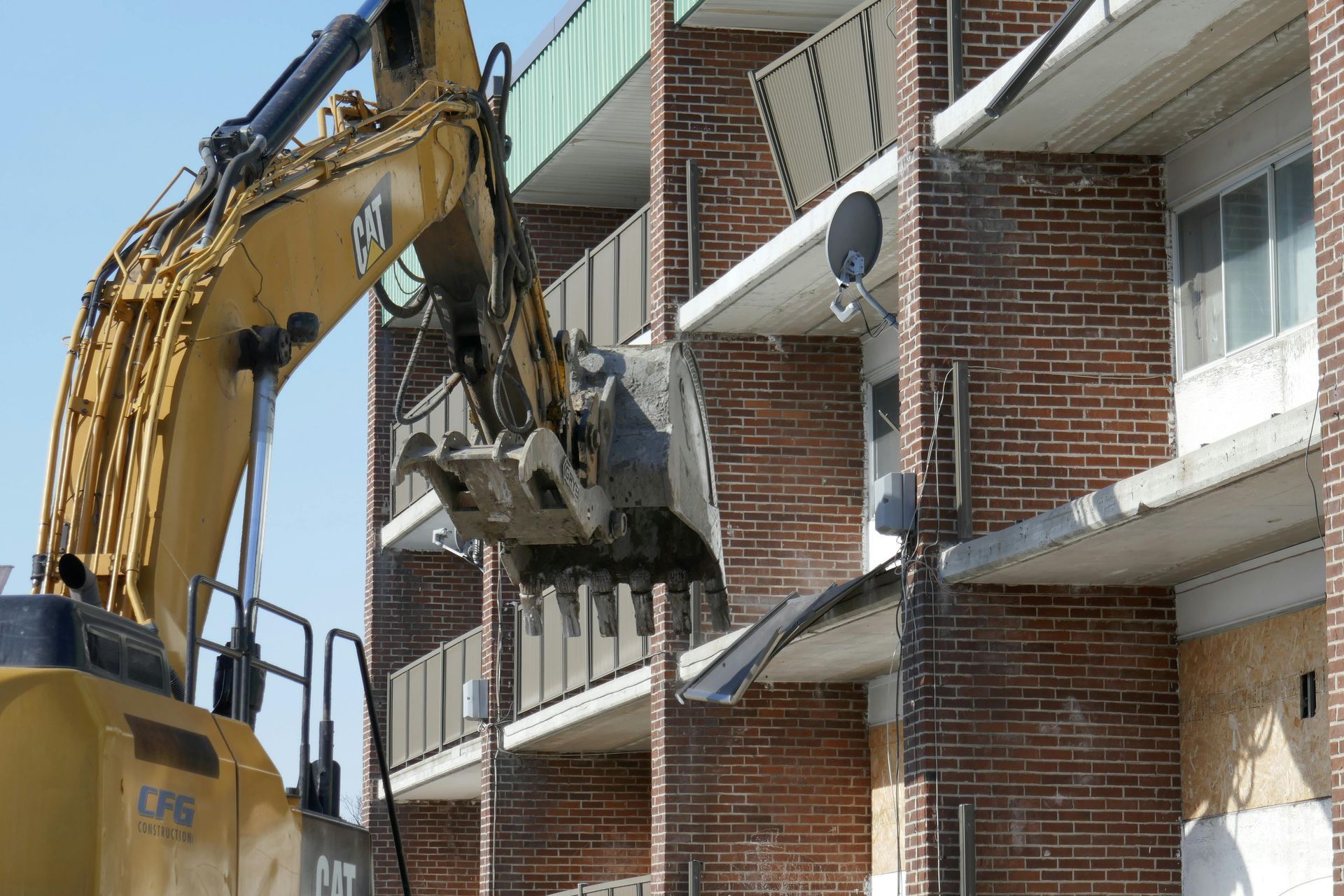
Selective demolition requires more precision than complete teardown since adjacent areas must remain undamaged and functional, with cutting and removal happening in controlled sequences rather than wholesale destruction. Interior gutting strips spaces to structural elements while preserving exterior weatherproofing and foundation integrity, creating blank slates for renovation without starting from complete reconstruction. Complete structure removal involves methodical disassembly that prevents uncontrolled collapse, protects underground utilities from impact damage, and stages debris for efficient loading and hauling.
Once demolition completes, removed structures are entirely gone with debris cleared from the site, and surfaces left at grades suitable for next-phase work whether that means construction, landscaping, or simply maintained open space. Adjacent structures show no impact damage from demolition activities, with windows intact, siding undamaged, and no debris contamination in landscaping or drainage systems. Underground utility stubs get capped or marked for future connection, and disturbed soil gets graded to prevent water pooling or erosion.
Permit requirements vary based on structure size, proximity to property lines, and whether utilities require formal disconnection inspections before work proceeds. Asbestos and lead testing may be mandatory for structures built before certain dates, with abatement required before demolition can legally proceed if hazardous materials are present.
Property owners preparing for demolition work typically ask about timelines, disposal costs, and how the process protects adjacent areas before committing to projects.
Questions About Demolition Projects
What preparation happens before demolition starts?
Utility companies must confirm disconnection of active services, and permits get secured from local building departments to ensure work complies with setback and safety requirements specific to structure type and location.
How do you protect adjacent structures during demolition?
Physical barriers prevent debris from impacting nearby buildings, and controlled demolition sequences avoid creating lateral loads or vibration that could damage shared walls or foundations in attached structures.
What disposal methods handle demolition debris in Missoula?
Mixed construction debris goes to facilities accepting non-hazardous waste, while separated materials like metal and clean wood get routed to recycling when volume justifies sorting labor against disposal cost savings.
How long does typical demolition take from start to site cleanup?
Single-story residential structures often clear in one to three days depending on size and material composition, while larger buildings or those requiring selective removal extend based on complexity and access constraints.
What site conditions remain after demolition completes?
Foundations may stay in place, get broken up and buried on-site, or get removed entirely depending on future use plans, with final grading leaving surfaces that drain properly without low spots that collect water.
Jakoby Construction manages demolition projects from utility coordination through final site cleanup with equipment sized appropriately for residential and light commercial work. Contact us to discuss your specific demolition requirements and receive detailed project planning.