Structures That Work Again After Damage
Restoration and Renovation in Missoula for properties with visible structural deterioration or outdated systems that limit function
JaKoby Construction handles restoration and renovation work in Missoula for properties where aging materials, water damage, or structural wear have compromised both appearance and performance. Whether rot has weakened framing members, outdated layouts no longer serve current needs, or cosmetic damage has spread beyond surface level, the work addresses both the visible problems and the underlying causes. You'll see the difference in floors that no longer sag, walls that sit plumb again, and spaces that function the way they should.
Restoration involves removing damaged material, repairing or replacing structural components, and upgrading systems that no longer meet current standards. The process starts with identifying what caused the damage—often moisture intrusion, deferred maintenance, or material failure—so the same problem doesn't return. In Montana's freeze-thaw cycles, wood components exposed to repeated moisture changes deteriorate faster, and addressing the source of that exposure is as important as replacing what's already failed.
Schedule a restoration assessment to identify what needs immediate attention and what can wait.
What Proper Restoration Actually Requires
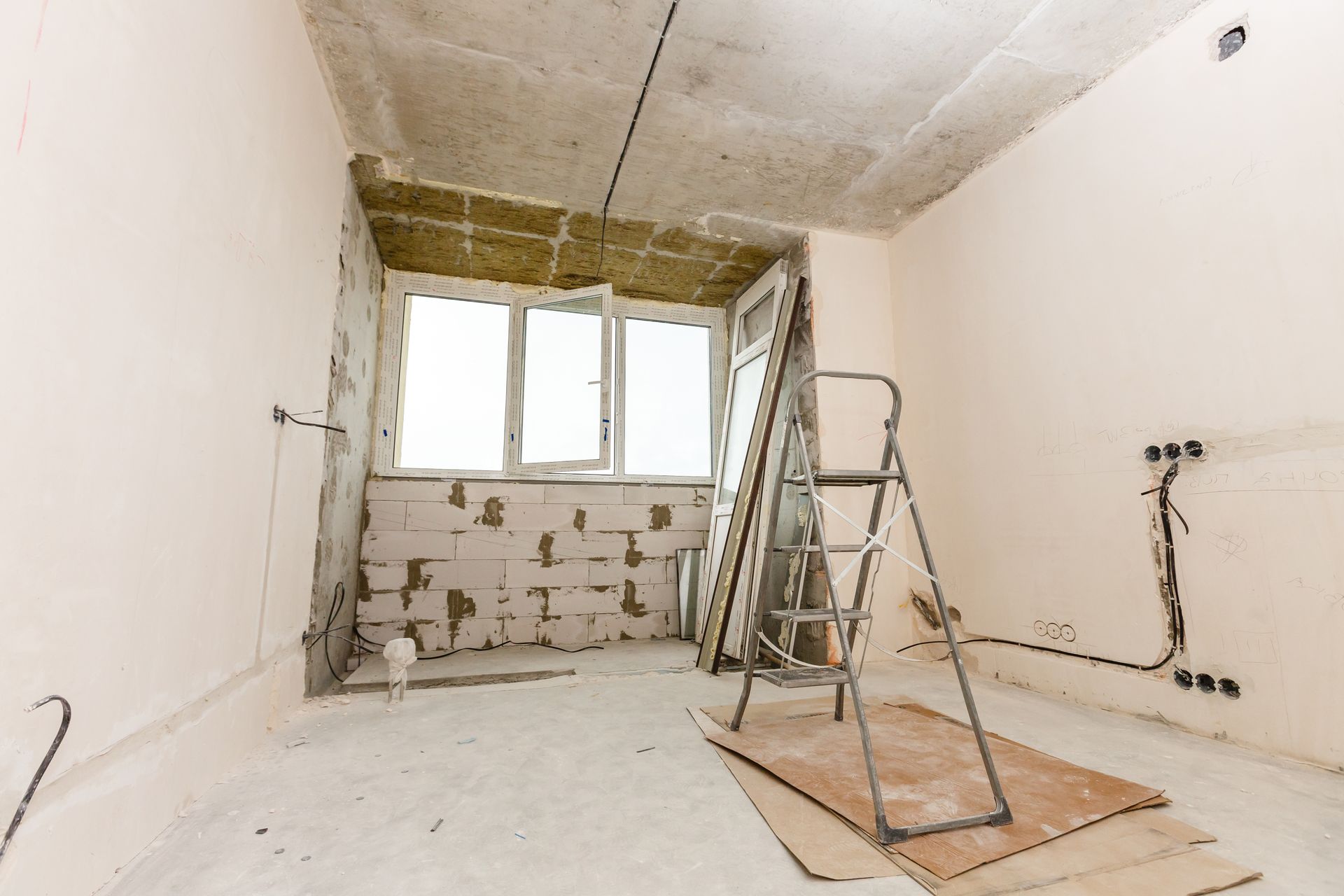
The work starts with structural evaluation to determine what's salvageable and what needs full replacement. Cosmetic fixes applied over compromised framing or moisture-damaged sheathing only hide problems temporarily. When floor joists have lost strength, subfloor panels have delaminated, or wall studs show rot, those components are removed and replaced with properly graded lumber and code-compliant fastening methods before any finish work begins.
Once structural repairs are complete and the building envelope is secure, you'll notice that doors close without binding, floors feel solid underfoot, and walls accept finish materials without telegraphing irregularities. Rooms become usable again, and spaces that felt cramped or poorly lit can be reconfigured during the renovation phase to match how you actually use the property. The difference shows up in daily use—spaces that work with your routines instead of against them.
Renovation work often includes updating electrical or plumbing systems that were installed to older codes, removing materials that no longer perform well in Montana's climate, and reconfiguring layouts to improve flow or add function. Not every restoration requires full renovation, and the scope depends on what the assessment reveals and what improvements make sense for how the property will be used moving forward.
Understanding what restoration work involves and how it differs from surface-level repairs helps you plan for the right scope and timeline.
Questions Property Owners Usually Ask
What's the difference between restoration and remodeling?
Restoration focuses on repairing damage and returning structural integrity, while remodeling changes layout or updates finishes. Many projects involve both—restoring what's compromised and upgrading what's outdated at the same time.
How do you determine what needs to be replaced versus what can be repaired?
The decision depends on the extent of damage, remaining strength of the material, and cost-effectiveness. If a structural member has lost more than 25 percent of its cross-section to rot or insect damage, replacement is typically more reliable than reinforcement.
What causes most restoration projects in Missoula?
Moisture intrusion from roof leaks, failed flashing, or inadequate ventilation leads to wood rot and structural damage. Freeze-thaw cycles accelerate deterioration once moisture enters wall or floor assemblies, and deferred maintenance allows small problems to become structural issues.
Can you work on older homes without changing their character?
Yes, restoration can preserve original details and layouts while upgrading hidden systems and repairing structural damage. The goal is often to maintain what works aesthetically while addressing what's failed mechanically.
How long does a typical restoration project take?
Timelines depend on the extent of damage and scope of work. A single-room restoration with localized structural repair may take two to three weeks, while whole-house projects involving multiple systems and layout changes extend several months.
JaKoby Construction provides detailed restoration assessments that separate immediate structural needs from optional upgrades, so you can prioritize work based on safety, function, and budget. Request an evaluation to see what your property requires and what timeline makes sense for the scope involved.