
Outdoor Spaces That Handle Seasonal Shifts
Landscaping in Missoula for properties dealing with short growing seasons and soil drainage challenges
Clay-heavy soils throughout the valley retain moisture longer than expected, creating standing water in low areas after spring snowmelt or summer storms. Successful landscaping in Missoula requires plant selection matched to hardiness zones that experience late frosts and irrigation strategies that account for soil composition rather than surface appearance. Jakoby Construction works with site-specific drainage patterns and microclimate variations that affect which species thrive and which struggle despite adequate care.
The work involves site grading to redirect water away from structures, soil amendment to improve drainage and nutrient availability, plant installation timed to root establishment windows, and mulch application that regulates soil temperature while suppressing weed competition. Each component serves both immediate visual goals and long-term maintenance reduction by creating conditions where plants establish deep root systems before winter dormancy.
Arrange an on-site consultation to review drainage patterns and plant selection for your property conditions.
Why Plant Selection Matters for Regional Conditions
Species selection begins with hardiness zone verification and extends to sun exposure mapping throughout the day, since south-facing slopes experience dramatically different temperature and moisture conditions than north-facing areas even on the same property. Native and adapted species demonstrate established resilience to temperature swings and moisture variability without requiring intensive intervention. Planting depth and backfill composition affect whether roots expand into surrounding soil or remain confined to the installation hole, particularly in clay soils that resist penetration.
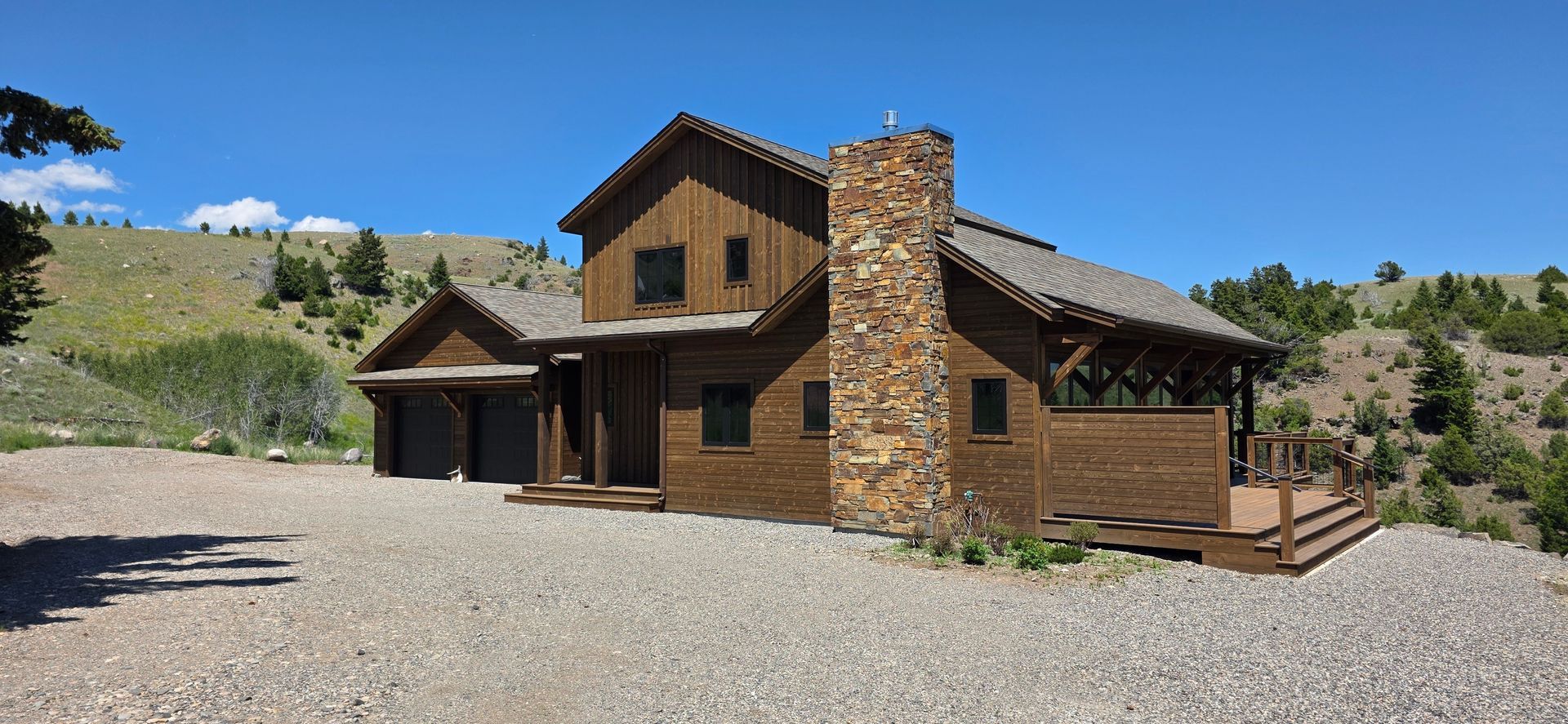
After installation, your property shows defined bed edges that separate planted areas from turf or hardscaped zones, and mulch layers maintain consistent two-to-three-inch depth that suppresses weeds without smothering plant crowns. Water moves visibly away from building foundations during rainfall rather than pooling along perimeter walls. Plants exhibit active growth within the first season as root systems establish, with foliage maintaining color and structure through summer heat without constant intervention.
Irrigation system integration depends on property size and plant water requirements, with drip systems offering targeted delivery that reduces waste compared to spray methods. Seasonal maintenance requirements vary based on species mix, with some designs requiring only spring cleanup and occasional pruning while others demand regular deadheading or division to maintain intended appearance.
Questions about timing, plant survival, and maintenance expectations come up regularly when property owners consider landscape improvements.
Answers to Frequent Service Questions
When should landscape installation happen for best plant establishment?
Late spring after final frost or early fall before ground freeze allows root development before temperature extremes stress newly installed plants, with fall planting often producing stronger establishment than spring work.
How do you address poor drainage in clay soils?
Grading adjustments create positive drainage away from structures, while soil amendment with organic material and coarse aggregate improves permeability in planting beds without requiring complete soil replacement.
What maintenance does a new landscape require in the first year?
Consistent watering during establishment period matters more than fertilization, with most plants requiring deep watering twice weekly rather than daily shallow watering that encourages surface root development.
How do you select plants that survive Missoula winters?
Hardiness zone rating provides baseline guidance, but microclimate assessment including wind exposure and snow cover patterns determines which species thrive rather than merely survive in specific site locations.
What happens to existing vegetation during installation?
Removal depends on species value and health condition, with some mature trees and shrubs worth preserving and incorporating into new designs while damaged or poorly placed specimens get cleared.
Jakoby Construction evaluates site conditions including soil composition, drainage patterns, and sun exposure before developing landscape plans. Request a property assessment to identify specific opportunities and constraints for your outdoor spaces.