
Roofs Built for Decades of Weather
Siding Installation in Missoula for homes where existing siding has failed or energy efficiency and curb appeal need improvement
Winter snow accumulation in mountain valleys creates concentrated weight on roof structures that most property owners don't consider until damage appears. Jakoby Construction provides roofing services in Missoula that account for seasonal load variations and the thermal cycling that occurs when temperatures drop thirty degrees overnight. Your roof experiences expansion and contraction throughout the year, and the materials and installation methods used determine whether that movement leads to premature failure or decades of reliable protection.
The service addresses structural integrity, water infiltration prevention, and ventilation management through material selection matched to local conditions and installation techniques that accommodate movement without compromising seal integrity. Proper roofing involves coordinating multiple layers—decking assessment, underlayment selection, flashing integration, and surface material installation—with each layer serving a specific function in the complete weather barrier system.
Schedule a property evaluation to identify specific structural concerns and material requirements for your building.
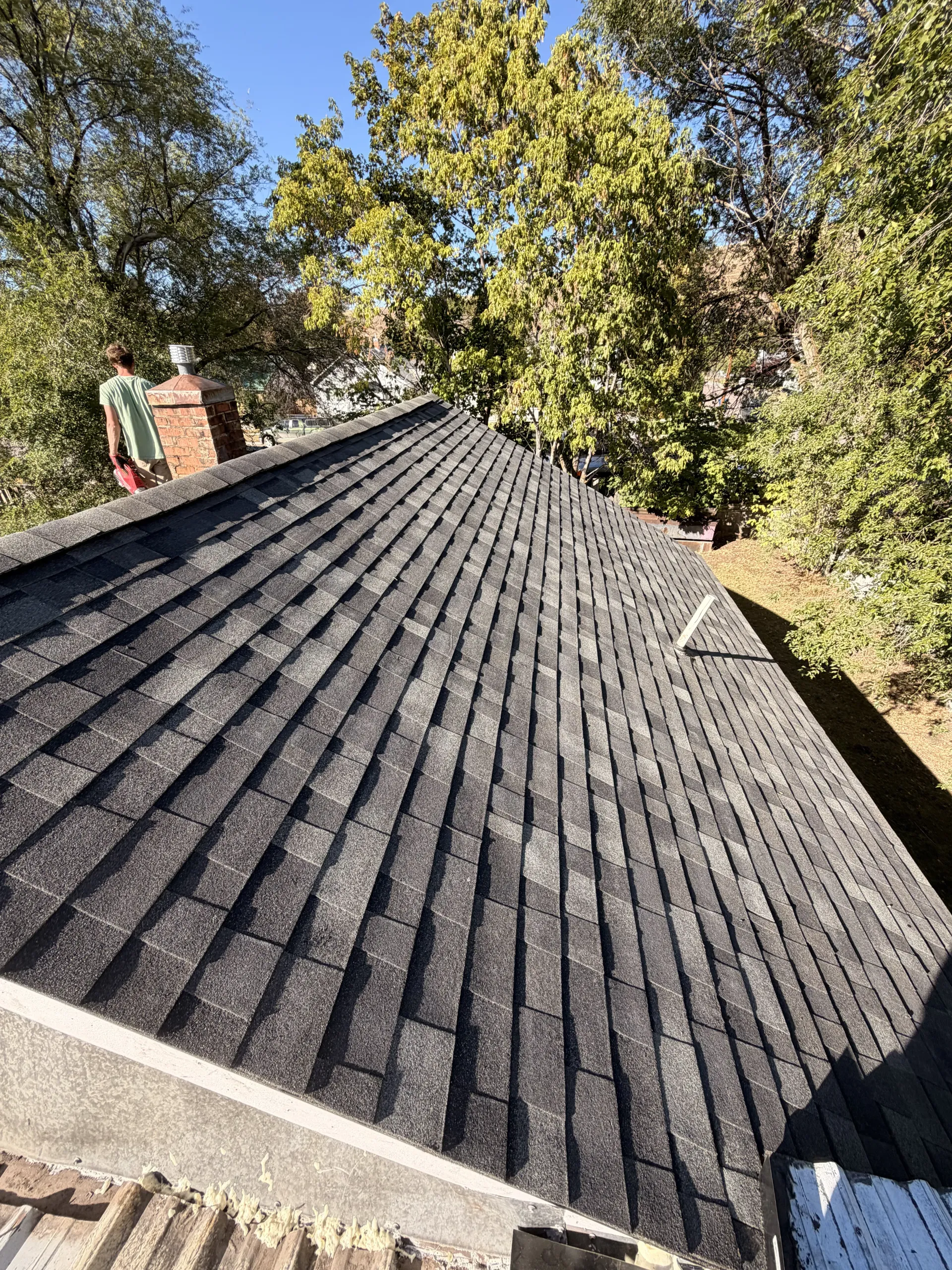
What Proper Roofing Installation Requires
The process begins with decking inspection to identify any areas weakened by moisture exposure or structural stress, since surface materials only perform as well as the substrate beneath them. Underlayment selection depends on roof pitch and exposure level, with ice and water barriers placed at vulnerable transition points where different planes meet. Flashing integration at chimneys, vents, and wall intersections receives particular attention because these penetrations represent the most common failure points in otherwise sound roofing systems.
Once work completes, you'll notice that water sheds cleanly off all surfaces without pooling or hesitation at seams, and interior spaces remain dry even during prolonged rain or rapid snowmelt. Attic temperatures stabilize as ventilation pathways function correctly, preventing the heat buildup that shortens material lifespan and creates ice dam conditions in winter. The structure becomes visibly more weathertight, with no gaps at transitions and uniform appearance across all planes indicating consistent installation standards.
Material warranties vary significantly based on product grade and installation certification, with some manufacturers requiring specific ventilation ratios and fastener patterns to honor coverage terms. The service includes removal and disposal of existing materials when replacement rather than overlay makes sense structurally, though that decision depends on current layer count and decking condition rather than surface appearance alone.
Property owners in Missoula typically ask about timing, material options, and how local weather patterns affect installation decisions before committing to roof work.
Questions Before Starting Your Project
What time of year works best for roofing installation in Missoula?
Spring through early fall provides the most consistent temperature ranges for adhesive activation and sealant curing, though emergency repairs happen year-round when structural integrity is compromised.
How does snow load affect material selection?
Heavier snow accumulation requires materials with higher impact resistance and fastener patterns that prevent uplift when snow slides off steeply pitched sections, particularly on south-facing slopes that experience rapid melt cycles.
What happens to the existing roof during replacement?
Complete tear-off exposes decking for inspection and repair, allowing assessment of structural conditions hidden beneath surface materials that may include moisture damage or inadequate ventilation pathways.
How long does a properly installed roof last?
Material lifespan ranges from twenty to fifty years depending on product grade, ventilation adequacy, and exposure severity, with maintenance requirements varying based on surrounding vegetation and building height.
What signs indicate that repair rather than replacement makes sense?
Localized damage confined to specific sections without widespread granule loss or decking deterioration often qualifies for targeted repair, preserving remaining lifespan in unaffected areas.
Jakoby Construction evaluates structural conditions and exposure factors specific to your property before recommending materials or methods. Request a detailed estimate based on your current roof condition and building requirements.