
Adding Space Without Compromising Structure
Home Additions in Missoula for properties that need more square footage but want the addition to match existing architecture and function
A bedroom addition that settles differently than the original house creates cracks at the connection point, and mismatched rooflines allow water intrusion where the new structure meets the old. Building additions requires structural planning that accounts for how foundations bear loads, how roof slopes intersect, and how exterior finishes transition without visible seams or thermal breaks. JaKoby Construction handles home additions in Missoula, including bedrooms, garages, and expanded living spaces, with framing expertise that integrates new construction seamlessly with existing structures.
Addition planning begins by evaluating whether your property has space for expansion and whether existing utilities can extend to serve the new area without major rerouting. Foundations must reach the same frost depth as the original house to prevent differential settling, and roof framing needs to connect at matching pitches so water sheds correctly. Insulation and air sealing at the transition prevent drafts and heat loss where new meets old, and exterior finishes should match in material and color so the addition doesn't look like an afterthought.
Schedule an addition planning consultation to evaluate your site and discuss how expanded space would integrate with your current floor plan.
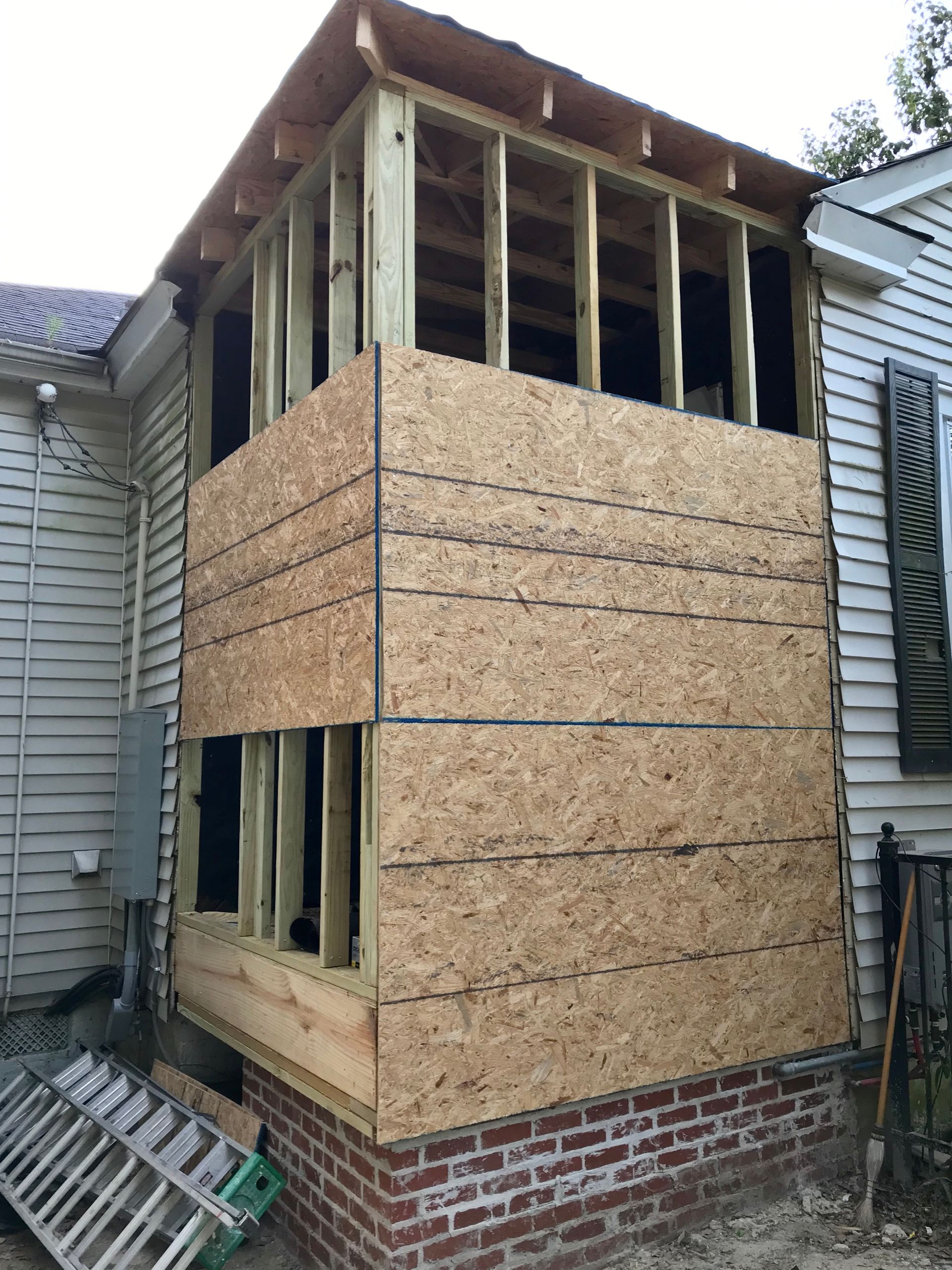
Why Seamless Integration Works Long-Term
Construction starts with excavation and foundation work that matches the depth and width of existing footings, ensuring both structures settle uniformly over time. Framing ties into existing walls with properly sized connectors, and roof valleys get flashed carefully to prevent leaks at the intersection. Insulation continues uninterrupted across the connection so thermal performance stays consistent, and drywall finishes align at transitions to avoid visible offsets.
When the addition finishes, you gain functional square footage that feels like part of the original house rather than a tacked-on space, with floors at consistent heights and interior finishes that flow naturally from room to room. Heating and cooling extend evenly into the new area because ductwork or heating zones were planned during construction, and exterior siding or roofing matches well enough that visitors can't immediately identify where the addition starts. Property value increases because the added space functions practically and integrates visually, avoiding the appearance of disjointed construction.
Additions vary in complexity depending on whether you're expanding outward on a single story or adding a second level, with managed timelines and clear communication reducing surprises about costs or schedules. Projects take longer than interior remodels because foundation work and weather-dependent exterior tasks extend timelines, particularly during Montana winters when ground freezing limits excavation.
Homeowners considering additions often want to understand how the new space will connect to the existing structure and what site limitations might affect the project.
Questions Before Starting Your Project
What structural planning does an addition require?
Foundations must reach below frost depth to prevent heaving, and framing needs engineered connections to transfer loads between old and new structures. Roof intersections require flashing and slope coordination to prevent leaks, and floor levels must align to avoid steps or transitions inside.
How do you match exterior finishes with existing materials?
Siding, roofing, and trim get selected to match the original as closely as possible, though exact matches become difficult if materials have aged or are no longer manufactured. Color and texture coordination ensures the addition blends visually even if materials differ slightly.
What site conditions affect addition feasibility in Missoula?
Property setbacks determine how close you can build to lot lines, soil conditions affect foundation requirements, and existing utility locations may limit where additions can expand. Evaluating these factors early prevents design changes after planning begins.
How long does a typical addition take to complete?
Timelines depend on size and complexity, with most bedroom or garage additions requiring several months from excavation through final finishes. Weather delays are common during winter, so scheduling foundation work during warmer months keeps projects on track.
Why does adding space increase property value?
Functional square footage adds resale appeal, particularly when bedrooms or living areas expand to accommodate larger families. Well-integrated additions avoid the negative perception of poorly planned expansions that hurt value instead of helping it.
JaKoby Construction brings structural planning and framing expertise to every addition project, ensuring new construction integrates properly with existing homes. Contact us at (406) 240-8409 to arrange a site evaluation and discuss your addition plans.