Surfaces Designed for Year-Round Exposure
Hardscaping in Missoula for properties requiring outdoor structures that withstand freeze-thaw cycles
Patios, walkways, and retaining walls installed without adequate base preparation shift noticeably within two seasons as ground freezes and thaws. Jakoby Construction provides hardscaping services that address subsurface drainage and base compaction requirements specific to Missoula soil conditions and seasonal temperature ranges. The difference between installations that remain level for decades and those requiring repair within years comes down to excavation depth, aggregate selection, and compaction standards rather than surface material choice alone.
Hardscaping creates functional outdoor spaces through materials like pavers, natural stone, concrete, and modular block systems installed over properly prepared bases that prevent settling. The work involves excavation to required depth, base material placement and compaction in lifts, edge restraint installation to prevent lateral movement, and surface material setting with joint treatment appropriate to the material type.
Schedule a property evaluation to identify specific site constraints and design options for your outdoor areas.
What Changes After Installation Completes
Base preparation depth varies by application, with pedestrian walkways requiring four to six inches of compacted aggregate while vehicular surfaces need eight to twelve inches to distribute load without deformation. Proper compaction happens in two-inch lifts rather than placing full depth at once, since mechanical compactors only densify material within a limited depth range. Drainage integration beneath hardscaped surfaces prevents water accumulation that leads to frost heave, with perforated pipe placed in aggregate trenches directing water away from the installation area.
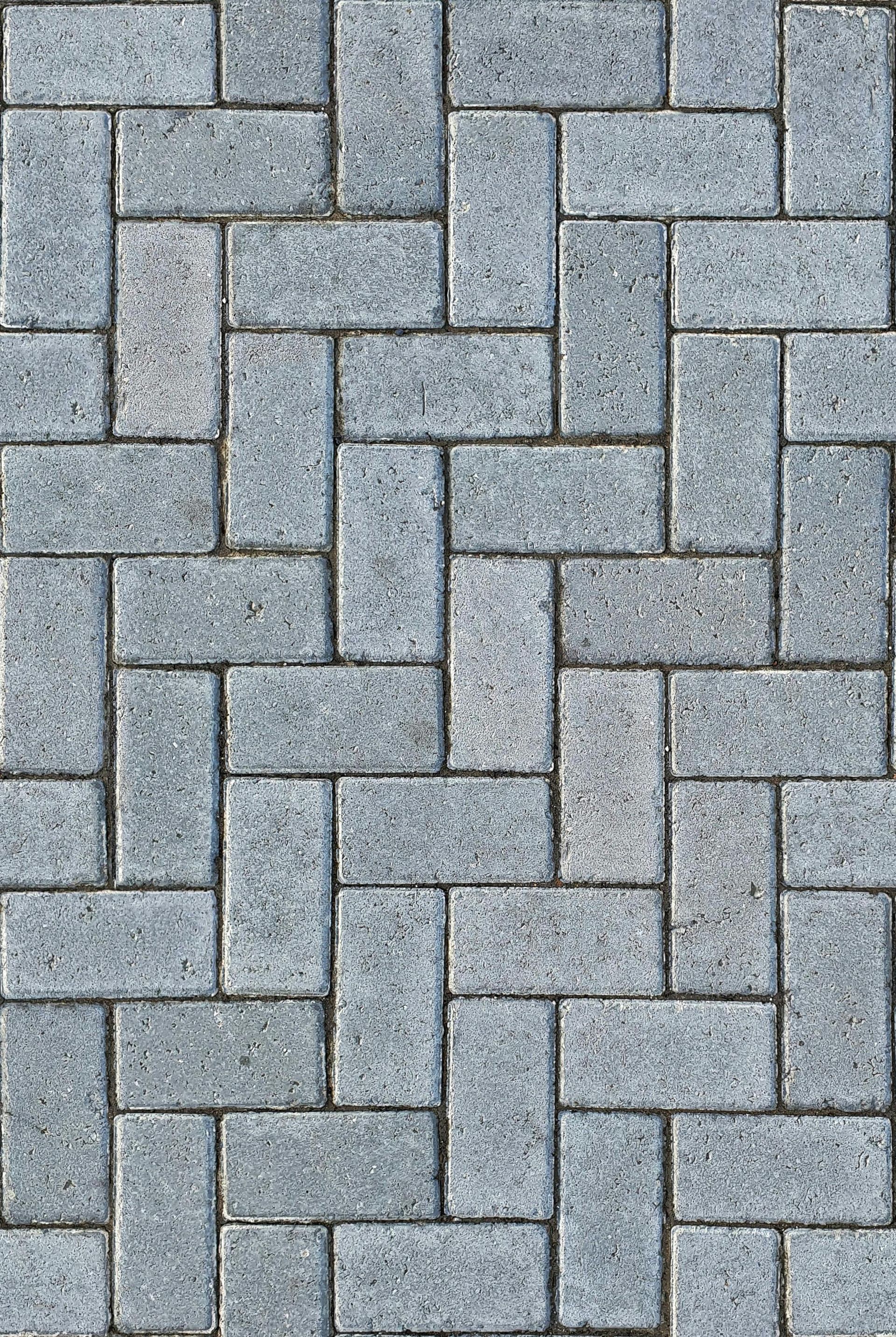
Once complete, surfaces remain level and stable underfoot without rocking or shifting when weight transfers across them, and water sheds cleanly toward designed drainage points rather than pooling in low spots. Joint sand or polymeric material stays in place between pavers instead of washing out during rain, maintaining interlock that prevents individual unit movement. Retaining walls stand plumb without leaning or bulging as backfill settles, with drainage pathways behind the wall face preventing hydrostatic pressure buildup that causes structural failure.
Material selection affects maintenance requirements and longevity, with natural stone offering irregular character and concrete pavers providing uniform dimensions and replacement simplicity when individual units crack. Retaining walls above certain heights may require engineering review depending on local building department requirements, particularly when supporting slopes or adjacent to structures.
Property owners usually want to understand material differences, drainage requirements, and timing considerations before starting hardscape projects.
Common Questions About This Service
What base material works best for freeze-thaw conditions?
Crushed angular aggregate compacts more effectively than rounded gravel and allows water to drain through rather than pooling, with three-quarter-inch minus material providing ideal gradation for stable compaction.
How do you prevent hardscaping from settling over time?
Excavation extends below frost depth where ground movement occurs, and base compaction in thin lifts creates density that resists compression under load and seasonal ground movement.
What determines whether pavers or poured concrete makes more sense?
Pavers allow individual unit replacement when damage occurs and provide built-in expansion accommodation, while poured concrete offers continuous surfaces without joint lines but requires control joints to manage cracking.
When should hardscaping installation happen in Missoula?
Late spring through early fall provides ground conditions suitable for excavation and compaction, though base work can continue into late season if weather remains dry enough for proper material placement.
How do retaining walls handle water pressure from uphill slopes?
Drainage aggregate and perforated pipe behind wall faces capture and redirect water before pressure builds, with weep holes at the base allowing moisture to exit rather than accumulating behind the structure.
Jakoby Construction assesses site grading, soil conditions, and intended use before recommending materials and design approaches. Arrange a consultation to discuss specific requirements for your hardscaping project.