Exteriors That Seal Out Montana Weather
Siding Installation in Missoula for homes where existing siding has failed or energy efficiency and curb appeal need improvement
Montana's wet springs, dry summers, and freeze-thaw cycles deteriorate siding faster than in milder climates, causing wood to rot, vinyl to crack, and paint to peel in patterns that indicate moisture is reaching the wall sheathing behind. Siding installation addresses both the cosmetic damage and the underlying water intrusion that compromises insulation and framing. JaKoby Construction installs weather-resistant siding materials in Missoula with proper flashing, drainage plane details, and fastening methods that prevent wind uplift and moisture penetration. Once the work is finished, you'll see walls that shed water correctly, insulation that stays dry and effective, and an exterior that improves both appearance and thermal performance.
The process starts with removing damaged siding and inspecting sheathing for rot or water damage that needs repair before new material goes on. A weather-resistant barrier is installed over sheathing, windows are flashed to direct water outward, and the siding is applied with fasteners placed correctly to allow expansion and contraction without buckling or pulling loose. Material choice depends on your priorities—fiber cement offers durability and fire resistance, engineered wood provides the appearance of natural wood with better moisture resistance, and vinyl reduces maintenance but performs poorly in extreme temperature swings.
Schedule a siding evaluation to identify existing damage and review material options suited to your home's exposure and maintenance preferences.
What You Notice Once Siding Installation Is Finished
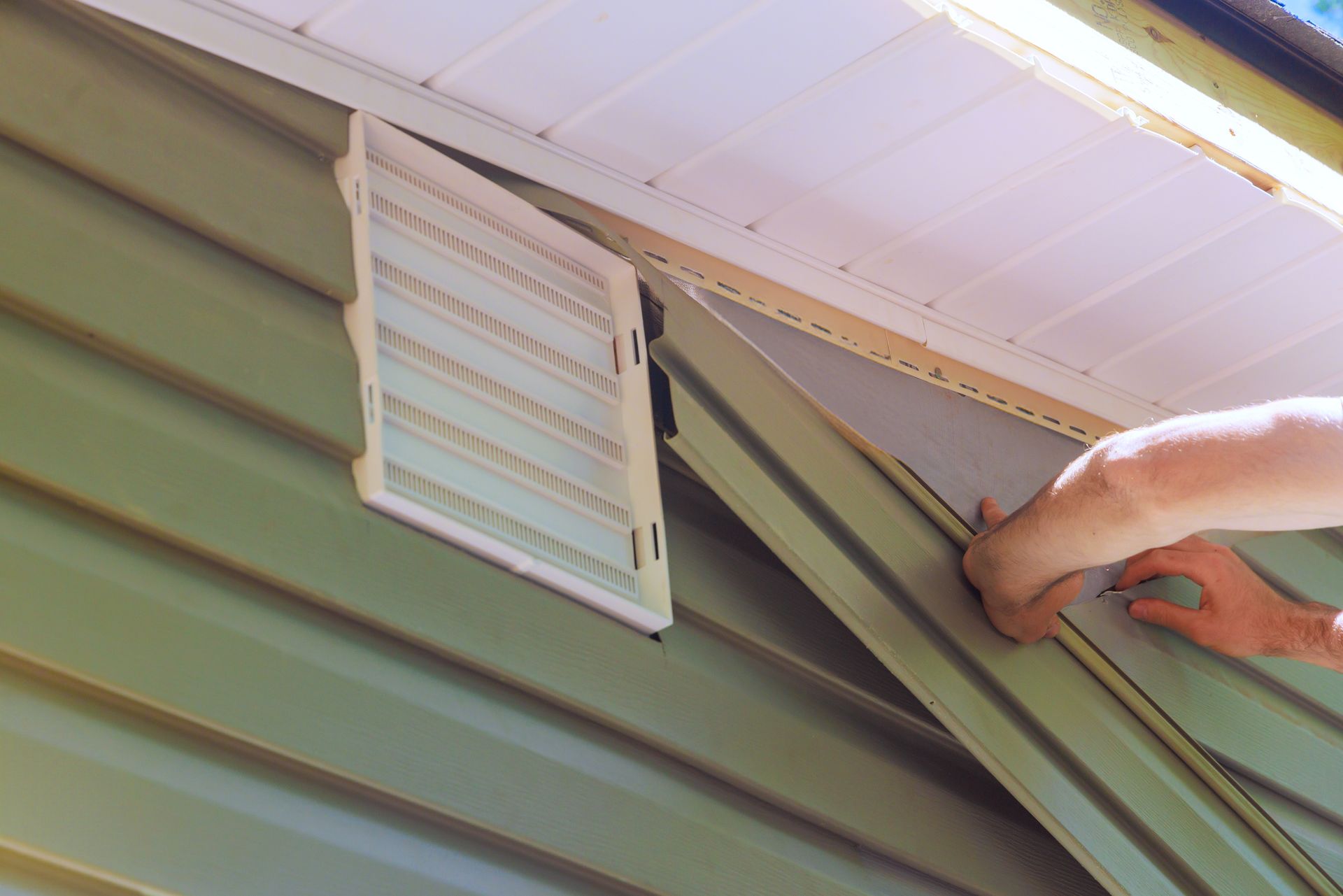
Installation involves fastening siding panels or planks with correct overlap and expansion gaps, sealing joints where panels meet trim or openings, and ensuring that the drainage plane behind the siding allows any moisture that gets past the surface to drain down and out. Corner boards, J-channels, and trim pieces are installed to protect vulnerable transitions where water tends to enter. Fiber cement requires painting or comes pre-finished, while vinyl and some engineered products include color throughout the material.
You'll notice that walls look uniform without warping, buckling, or gaps between panels, and the exterior color is consistent without the fading or streaking that happens when cheap materials break down under UV exposure. Inside, rooms feel more comfortable because the improved air sealing and insulation performance reduce drafts and heat loss. The siding won't develop mold or rot in areas where moisture previously collected, and wind-driven rain no longer penetrates to the sheathing layer.
Siding projects often include upgrading insulation levels, replacing deteriorated trim, or adding ventilation features that weren't part of the original exterior assembly. Not every siding replacement requires full sheathing replacement, but the condition of what's underneath determines how much prep work is necessary before the new siding performs as intended.
Siding choices affect long-term maintenance, energy costs, and how well the exterior holds up in Montana's seasonal extremes.
Questions Before Starting Your Project
What siding material works best for Montana's climate?
Fiber cement handles freeze-thaw cycles well, resists moisture absorption, and doesn't support insect activity or rot. It requires periodic painting but outlasts wood and performs better than vinyl in temperature extremes common in Missoula.
How do you prevent moisture from getting behind the siding?
A weather-resistant barrier is installed over sheathing, and all window and door openings are flashed with layered materials that direct water outward. The siding itself is the first line of defense, but the drainage plane behind it handles any water that gets past the surface.
Can new siding be installed over existing material?
In some cases, yes, but it's often better to remove old siding to inspect and repair sheathing, upgrade insulation, and ensure the drainage plane is intact. Installing over damaged material just hides problems that continue to worsen.
What's included in a siding replacement project?
Work includes removing old siding, repairing sheathing as needed, installing weather barriers and flashing, fastening new siding, and installing trim and corner details. Paint or finish may be included depending on material choice.
How long does siding last once it's installed?
Fiber cement typically lasts 30 to 50 years, vinyl 20 to 30 years depending on quality, and engineered wood 25 to 40 years with proper maintenance. Lifespan depends on installation quality, exposure to weather, and how well the drainage plane manages moisture.
JaKoby Construction provides siding estimates that detail material options, prep work requirements, and timelines based on your home's current condition and exposure. Arrange a consultation to review what your exterior needs and how different materials compare for durability and maintenance in Montana's climate.